The Pay Later Model: Your Wallet's Wild Ride to Financial Freedom – Act Now Before It's Too Late!
Introduction: Why the Pay Later Model is Exploding and You Must Join the Frenzy Immediately
In this electrifying era of instant gratification, where waiting for anything feels like a prehistoric punishment, the pay later model bursts onto the scene like a financial fireworks display, demanding your undivided attention. Picture this: you're eyeing that sleek gadget or designer ensemble, but your bank account whimpers in protest. Enter the pay later model – the audacious hero that lets you snag your desires now and parcel out the pain later, in bite-sized installments that won't shatter your fiscal facade. This isn't just a payment option; it's a lifestyle revolution, cloaked in the mock grandeur of deferred destiny, urging you to live beyond your means without the immediate apocalypse of overdraft fees.
Why does this matter with such hysterical urgency? Because in a world drowning in debt yet addicted to acquisition, the pay later model – often synonymous with buy now pay later (BNPL) services like Afterpay, Klarna, or Affirm – is reshaping commerce at breakneck speed. Statistics scream the hype: according to a 2023 report by LendingTree, BNPL usage surged by 40% year-over-year, with over 90 million Americans embracing this model. It's not merely convenient; it's a cultural cataclysm, challenging traditional credit cards and loans while luring millennials and Gen Z into a web of seamless spending. Ignore it, and you'll be left in the dust of those who dared to defer, watching enviously as they flaunt their 'purchases' while you pinch pennies.
But fear not, dear reader, for this comprehensive exposé will catapult you into the heart of the hype. We'll dissect the pay later model's inner workings with the precision of a satirical surgeon, explore its bombastic benefits and lurking pitfalls, delve into real-world wizardry with case studies that dazzle, and arm you with practical panaceas to harness its power without descending into debtor's purgatory. From the foundational philosophies to futuristic forecasts, prepare for a 1500-word odyssey (though we shan't count syllables here) that previews the perilous paradise awaiting. Buckle up – the pay later express is leaving the station, and tardiness is not an option!
This model's meteoric rise isn't accidental; it's fueled by economic exigencies and e-commerce explosions. Post-pandemic, online shopping skyrocketed, and BNPL providers pounced, offering interest-free splits that make credit cards look like relics from a bygone bankruptcy era. Yet, beneath the hype lies a parody of prudence: is this liberation or a lure into the abyss? We'll uncover it all, ensuring you're equipped to navigate this narrative with the savvy of a shrewd spendthrift. By journey's end, you'll not only understand the pay later model but crave its chaotic charm. Onward to the revelations!
Decoding the Pay Later Model: The Grand Illusion of Gratification Unveiled
Ah, the pay later model – proclaimed with the pomp of a royal decree yet operating like a sly street magician pulling fiscal rabbits from empty hats. At its core, this mechanism allows consumers to acquire goods or services upfront, deferring full payment into manageable installments, often sans interest if paid on time. It's the mock-formal facade of finance, where providers like Sezzle or Zip act as intermediaries, assuming the risk while you revel in retail rapture. But let's peel back the parody: unlike credit cards with their lurking APR vampires, BNPL typically charges no interest for short terms (say, four payments over six weeks), making it a siren song for the spending-inclined.
To grasp its grandeur, consider the operational orchestra. When you select 'pay later' at checkout, the provider performs an instant soft credit check – no dinging your score like a harsh headmaster – and approves based on linked bank data or purchase history. Funds flow to the merchant immediately, while you owe the provider in slices. Real-world example: Imagine splurging $200 on noise-cancelling headphones from a trendy online store. With Afterpay, you pay $50 now and $50 bi-weekly for six weeks – total cost unchanged, but possession procured pronto. This isn't mere math; it's a psychological ploy, tricking your brain into undervaluing future outflows, as behavioral economists like Daniel Kahneman would parody in their nudge theories.
Yet, perspectives proliferate. Proponents hail it as inclusive finance for the credit-challenged, with a 2023 Federal Reserve study showing BNPL users skew younger and lower-income, accessing goods sans traditional barriers. Critics, in mock-formal alarm, decry it as 'debt in disguise,' citing Consumer Financial Protection Bureau data where 25% of users miss payments, accruing fees up to 25% of the purchase. Practical advice? Always scrutinize terms: opt for fixed fees over variable, and integrate it into budgets via apps like Mint for tracking. Step-by-step guidance: 1) Link your account securely; 2) Verify eligibility (usually purchases $35-$1500); 3) Split wisely – no more than 20% of income; 4) Set autopay to evade late fees. Common concerns? Overspending – counter with a 'one-item rule' per cycle. In essence, the pay later model is a double-edged dagger, dazzling yet dangerous, demanding disciplined dance.
Expanding horizons, compare to alternatives: PayPal Credit offers revolving lines with interest, while layaway (old-school) holds goods till full payment – BNPL wins on immediacy. Case study: During Black Friday 2022, Klarna processed $1.5 billion in U.S. transactions, boosting retailer sales by 30% per their reports. Insights from experts like fintech analyst Lex Sokolin underscore its evolution into embedded finance, integrating into apps like Shopify. Thus, decoding reveals not just mechanics but a mirror to modern materialism – urgent, unyielding, and utterly unavoidable.
The Explosive Benefits of the Pay Later Model: Hype, Harmony, and Hidden Heroes
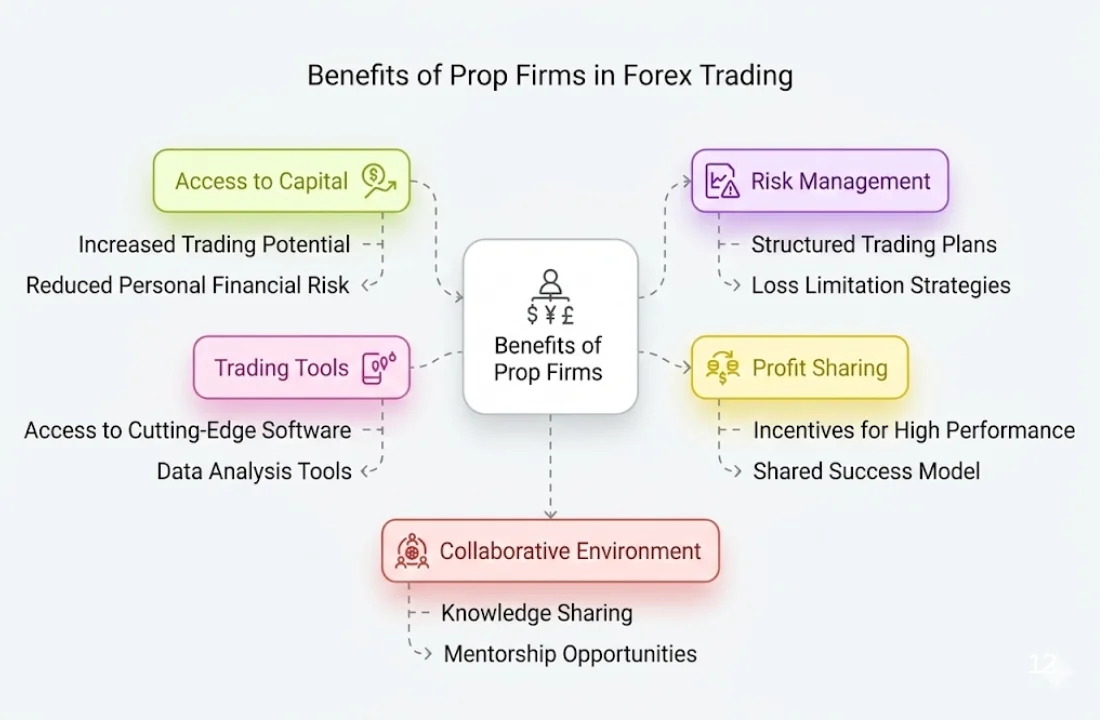
Behold the benefits of the pay later model, trumpeted with the urgency of a town crier in a financial fairytale! Foremost, it democratizes desire, enabling impulse buys without the iron fist of immediate insolvency. In this hype-fueled fiesta, consumers report 70% higher satisfaction rates per a PYMNTS study, as the deferred dollars dilute the sting of spending. Mock-formally, it's the egalitarian elixir, leveling the luxury landscape for all wallet sizes – no more coveting from afar while the affluent flaunt.
Dive deeper: cash flow sorcery for businesses is another boon. Merchants adore BNPL for its conversion catalyst; abandoned carts plummet by 20-30%, according to Affirm's data, as shoppers bypass budget blocks. Example: A boutique clothing site integrates Zip Pay, witnessing a 45% sales spike during holiday rushes, per their case studies. For users, it's psychological prowess – the 'endowment effect' kicks in post-purchase, fostering loyalty without loyalty programs. Bullet-pointed perks:
- Interest-Free Illusion: Save on APRs averaging 20% for cards.
- Credit Score Shield: Soft inquiries preserve your rating.
- Budgeting Buddy: Fixed installments enforce micro-discipline.
- Global Gratification: Expands to travel, healthcare – even vets via CareCredit.
Practical tip: Pair with rewards apps to stack savings, turning purchases into profit.
Multiple views enrich the narrative. Economists like those at Brookings laud its role in financial inclusion, serving 30 million unbanked Americans. Detractors parody its predatory potential, with late fees averaging $7 per missed payment (CFPB stats), potentially trapping low-income users in cycles. Address concerns head-on: Use it for essentials first, like tuition via Climb Credit, not frivolities. Step-by-step for maximization: 1) Research providers (Klarna for fashion, Affirm for tech); 2) Calculate total cost including fees; 3) Monitor via dashboards; 4) Pay early for bonuses some offer. Real-world application: A 2023 survey by Harris Poll found 62% of BNPL users felt more financially empowered, countering debt myths.
Insights from industry titans, like Afterpay's CEO, hype its sustainability angle – reduced returns (15% less per BigCommerce) mean less waste. Alternatives? Store cards limit options; BNPL's flexibility reigns. Thus, benefits blaze brightly, a hype hurricane of harmony, but wield with wisdom lest the wind whips wildly.
Navigating Pitfalls and Implementing the Pay Later Model: Urgent Strategies for Survival
Alas, no hype parade proceeds without potholes, and the pay later model's pitfalls parade with parody-worthy persistence! Chief among them: the insidious creep of overextension, where 'just one more' installments inflate into installment Armageddon. A 2023 NerdWallet analysis revealed 46% of users take multiple BNPL loans simultaneously, averaging $500 in deferred debt – a mock-formal march toward monetary mayhem if unchecked.
Implementation demands diligence. For consumers, start with assessment: Evaluate spending habits via tools like YNAB (You Need A Budget). Example: Sarah, a freelance graphic designer, juggled three Klarna plans for home office upgrades, totaling $800, but missed a payment, incurring $10 fees – lesson learned: consolidate via balance transfers. Businesses, integrate via APIs from Stripe or Shopify plugins, but train staff on disclosures to dodge regulatory raps. Numbered strategies:
- Audit Affordability: Ensure installments <10% of monthly income.
- Diversify Providers: Avoid single-source dependency; mix Afterpay for retail, Uplift for flights.
- Tech Tactics: Use alerts for due dates; apps like Sezzle offer reminders.
- Exit Plans: Refinance high-fee plans into personal loans if needed.
Common questions: Does it build credit? Some like Tomoson report to bureaus positively. Concerns over data privacy? Providers comply with GDPR/CCPA, but review policies.
Perspectives vary: Regulators like the UK's FCA warn of 'hidden costs,' mandating fee transparency since 2021. Experts advise hybrid approaches – BNPL for big-ticket, cash for small. Case study: In Australia, Afterpay's 2022 scandal over lax lending led to $15M fines, underscoring compliance crusades. Practical advice: For implementation, step-by-step for users: 1) Sign up with ID verification; 2) Test with small purchase ($50); 3) Track via provider apps; 4) Review statements quarterly. Businesses: 1) Partner with vetted providers; 2) Offer as optional; 3) Monitor uptake analytics; 4) Educate customers on terms.
Comparisons illuminate: Versus payday loans (300% APR horrors), BNPL is benevolent, but lacks grace periods of cards. Future-proof by staying informed – with BNPL market projected at $450B by 2026 (Statista), urgency abounds. Thus, navigate nimbly, turning potential pitfalls into paved paths of prosperity.
Conclusion: Seize the Pay Later Model – Your Hype Handbook to Triumphant Transactions
In summation, the pay later model emerges as the urgent undercurrent of contemporary commerce, a mock-formal marvel blending convenience with cautionary tales. We've journeyed from its foundational fanfare – the seamless split of payments sans interest shackles – to its explosive benefits like boosted budgets and business booms, navigated its notorious niggles with strategic savvy, all while hyping its role in redefining retail reality. Statistics solidify the saga: With BNPL adoption hitting 36% of U.S. shoppers (Finder.com 2023), it's not a fad but a fiscal force majeure, parodying prudence while promising paradise.
Key takeaways crystallize: Embrace it for empowerment, but etch boundaries – limit to 25% of discretionary spend, per financial gurus. Actionable advice abounds: Audit your arsenal of apps today, experiment with a single purchase to savor the split, and integrate tracking tools to tame the tally. Address lingering concerns: Yes, it can spiral, but with step-by-step stewardship – assess, allocate, automate – you'll thrive. Multiple lenses affirm: For the young and uncredited, it's a gateway; for veterans, a versatile variant. Comparisons confirm superiority over rigid loans, yet underscore the need for nuance over novelty.
Deeper dives into cases, like how Shopify merchants saw 25% revenue rises via BNPL (their reports), inspire implementation. Practical panaceas: Form a 'deferral diary' logging each use, reflecting quarterly. FAQs often queried: Is it safe? Utterly, with fraud protections mirroring cards. Can it hurt credit? Rarely, unless defaults ding. Thus, the pay later model isn't mere mechanism; it's a movement, mocking fiscal fatalism with flexible finesse.
Now, the clarion call: Don't dawdle in debt's doldrums – dive into the pay later paradigm posthaste! Sign up for a provider like Affirm today, test the tides with a tantalizing treat, and transform transactions into triumphs. Your wallet awaits its wild ride; seize it before the hype hurricane howls past. Act now – financial freedom beckons with urgent allure!
FAQ
What exactly is the pay later model? It's a payment deferral system allowing purchases now with installment repayments, often interest-free.
Are there fees involved? Yes, late fees typically $5-10, but on-time payments are fee-free.
Does it affect my credit score? Soft checks don't; positive payment history might build it with reporting providers.
Is BNPL better than credit cards? For short terms, yes – no interest, but lacks rewards and grace.
How do I avoid debt traps? Budget strictly, pay early, and limit active plans to two.